

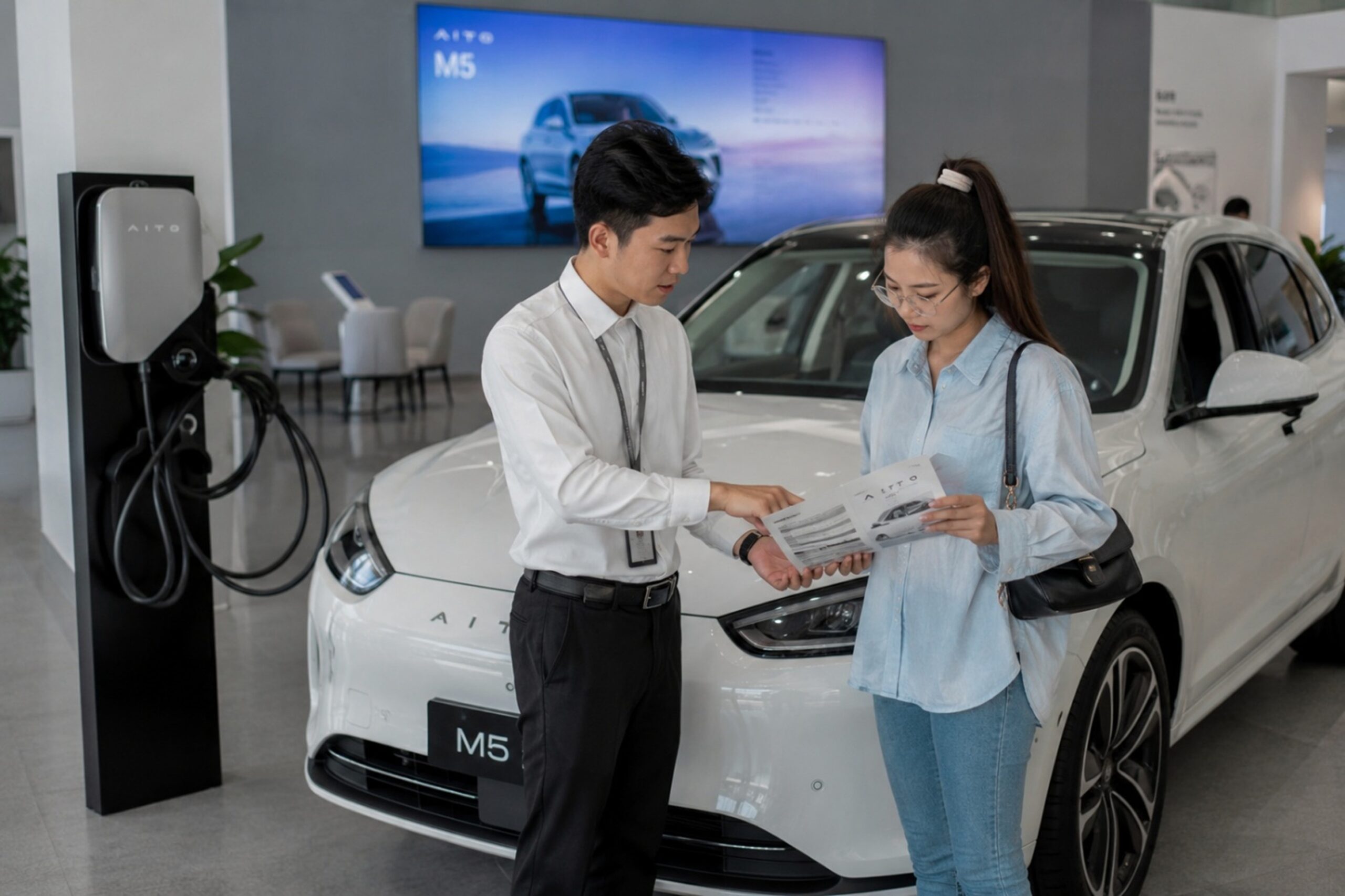
The Ministry of Industry, Science, Technology & Innovation has instructed electric vehicle producers, importers and distributors to strengthen consumer safety awareness, warning that limited public understanding of EV risks could endanger lives, property or the environment as Cambodia’s electric vehicle market expands rapidly.
In a May 12 instruction, the ministry said it had observed that some EV users in Cambodia still lacked sufficient awareness of basic safety measures related to the use of electric vehicles, including risks linked to battery systems, charging practices and flooding during the rainy season.
“Some EV users still have limited awareness and understanding of safety measures related to the use of electric vehicles,” the instruction stated, adding that such gaps “may pose risks to drivers, passengers, road users, property, the environment and society.”
The directive marks one of Cambodia’s clearest moves toward regulating the safety dimension of the country’s growing EV transition, as imported electric cars — particularly from Chinese manufacturers — become increasingly visible on Phnom Penh streets and major provincial roads.
Under the new measures, companies involved in the production, importation and distribution of EVs must prepare Khmer-language safety instructions accompanied by illustrations before vehicles are brought to market.
The ministry said the instructions should include guidance on handling situations such as vehicle system failures preventing doors or windows from opening, battery fires or explosions during collisions, overheating during charging, electrical short circuits and driving through flooded roads during the rainy season.
The ministry also instructed companies to produce short educational videos for EV users and provide safety training to customers before handing over vehicles.
The measures require all electric vehicles sold in Cambodia to comply with the Cambodian standards and technical regulations established by the ministry.
The instruction was signed by industry minister Hem Vanndy.
The government has actively promoted cleaner transportation and energy transition policies in recent years, including incentives aimed at encouraging EV adoption. However, Cambodia’s EV ecosystem remains in an early development stage, with charging infrastructure, technical servicing capacity and public awareness still evolving.
Safety concerns surrounding EV batteries and charging systems have become an increasing global focus as electric vehicle adoption accelerates worldwide. In Cambodia, concerns are particularly relevant during the country’s annual rainy season, when urban flooding and unstable electricity conditions can affect vehicle operation and charging safety.
The ministry said it hoped all companies and enterprises involved in the EV sector would “actively cooperate and effectively implement” the instruction to help reduce potential risks and improve public safety.